
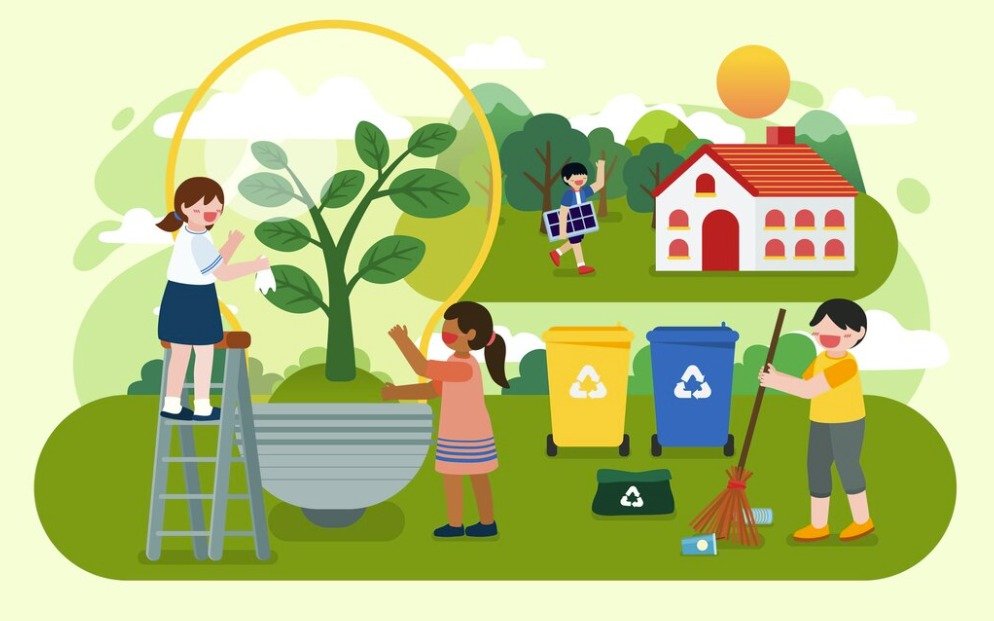
By making eco-friendly activities a core part of the learning experience, schools can inspire a generation of environmentally conscious individuals who are equipped to tackle the challenges of the future
Eco-friendly activities are essential in fostering a sense of environmental responsibility in students from a young age. As climate change, pollution, and resource depletion become increasingly urgent issues, it is vital to prepare the next generation to address these challenges. By introducing sustainability-focused activities into the classroom, educators not only teach students about environmental issues but also encourage them to take an active role in protecting the planet.
These activities also help to develop important life skills. They promote critical thinking, problem-solving, and creativity, allowing students to come up with innovative solutions to environmental problems. Involving students in hands-on projects, such as recycling or planting trees, can deepen their understanding of the environment and how their actions can have a direct impact on it.
Top Eco-Friendly Classroom Activities
Incorporating eco-friendly activities into the classroom doesn’t have to be complicated or expensive. Here are some creative and effective classroom activities that can inspire students to become environmental leaders:
Recycled Art Projects
Recycling is a fundamental aspect of sustainability, and what better way to engage students than through art? Recycled art projects, such as creating sculptures from cardboard, plastic bottles, or old magazines, not only teach students about reusing materials but also encourage creativity. These projects can be used to discuss the environmental impact of waste and the importance of rethinking how we dispose of everyday items.
How to implement: Provide students with various recyclable materials and allow them to create their own pieces of art. This activity works well for all age groups, from younger children creating simple collages to older students building more intricate sculptures.
Waste Reduction Challenges
A waste reduction challenge is a fun, competitive way to get students involved in reducing their environmental impact. Students can work in teams to come up with creative ways to reduce waste in the classroom or school. This could include bringing in reusable lunch containers, minimising paper use, or finding ways to reduce food waste during lunch.
How to implement: Set up a challenge where students track their waste and compete to reduce it the most. Teachers can offer rewards for the most creative solutions and improvements over a set period, turning the challenge into a fun learning experience.
Planting Projects
Planting and growing plants is an excellent way to teach students about ecosystems and the environment. A classroom garden or small plants in pots can be a daily reminder of the importance of nature and sustainability. Students can learn about different plant species, how plants contribute to clean air, and the impact of deforestation.
How to implement: Set up a small garden in the classroom or in an outdoor space. Students can plant seeds, care for the plants, and observe their growth. For older students, lessons on plant biology and ecosystems can be integrated into the activity.
Eco-Friendly Science
Experiments
Simple science experiments can teach students about sustainability while sparking their interest in environmental science. For example, experiments demonstrating water filtration, renewable energy (like solar power), or the effects of pollution on plants and animals can make sustainability concepts tangible and real.
How to implement: Choose eco-friendly experiments that align with the curriculum, such as creating a solar oven or testing the effects of pollution on plant growth. These experiments can be hands-on and offer students the chance to discover science in a fun, relevant way.
Environmental Awareness Campaigns
Encourage students to take the lead in spreading environmental awareness throughout the school. By creating posters, organising events, or even running social media campaigns, students can raise awareness about sustainability issues and learn about leadership and team workin the process.
How to implement: Organise an environmental awareness week where students can take on different roles to promote sustainability. They can design posters, create informational videos, or give presentations to their peers about issues like recycling, energy conservation, or biodiversity.
Upcycled Furniture or Classroom Decorations
Transforming old, unused furniture or classroom items into something new and useful is a fantastic way to show students the power of upcycling. Upcycling not only reduces waste but also encourages creativity as students think of new ways to reuse materials that might otherwise be thrown away.
How to implement: Have students upcycle old furniture or classroom items by painting, reupholstering, or adding new elements to them. This can be done in partnership with the school’s maintenance staff or parents, making it a community project. Students can also create eco-friendly decorations for the classroom using natural materials like wood, leaves, or stones.
By incorporating these activities into the classroom, teachers can not only engage students in fun and hands-on projects but also help them develop a lifelong appreciation for the environment. Each activity also presents an opportunity for important lessons on sustainability, teamwork, and leadership.
Benefits of Eco-Friendly Classroom Activities
Incorporating these activities offers numerous benefits, both for students and the environment. These activities go beyond simply teaching about sustainability; they actively engage students in real-world environmental issues, fostering a sense of responsibility and empowering them to make a difference.
One of the key benefits is that eco-friendly activities encourage creativity and critical thinking. For instance, students working on projects like recycling challenges or upcycling furniture must think outside the box to find innovative solutions to environmental problems. This problem-solving approach is valuable not only in addressing sustainability issues but also in developing general life skills that students will carry with them throughout their lives.
Furthermore, these activities help build teamwork and collaboration. Many eco-friendly classroom activities, such as group challenges or awareness campaigns, require students to work together, share ideas, and contribute to a common goal. This fosters a sense of community and teaches valuable interpersonal skills.
On a broader scale, these activities also contribute to creating a culture of sustainability within schools. As students become more aware of the impact of their actions on the environment, they are likely to carry these lessons forward into their homes and communities. Better Planet Education provides teachers with the resources to support these efforts, ensuring that sustainability becomes an integral part of students’ everyday lives.
>>>>>>>>>>>>>>>>
Involving the Whole School Community
While individual classroom activities are a great start, involving the entire school community in eco-friendly initiatives can create a far-reaching impact. By engaging students, teachers, and even parents, schools can build a culture of sustainability that extends beyond the classroom walls. Involving the wider school community encourages collective responsibility and fosters a sense of shared purpose.
One way to extend eco-friendly activities throughout the school is by organising school-wide environmental events, such as recycling drives or tree planting days. These events can help unite students across grade levels, promote cross-curricular learning, and raise awareness about sustainability issues in a fun, hands-on way. Additionally, involving parents in these initiatives by encouraging them to participate in events or donate resources can strengthen the school-community connection and ensure that sustainability practices are reinforced at home.
Eco-friendly school practices can also be integrated into the school’s daily routines. For example, teachers and staff can set an example by using reusable materials, reducing paper waste, and promoting energy-saving habits. In this way, schools can model environmentally responsible behaviours and create a more sustainable campus environment.
Overcoming Challenges in Implementing Eco-Friendly Activities
While the benefits of eco-friendly classroom activities are clear, implementing them can sometimes present challenges. Common obstacles such as limited resources, time constraints, and alack of awareness about environmental issues may hinder the integration of sustainability-focused activities into the classroom. However, with a little creativity and planning, these challenges can be overcome.
One of the easiest ways to work around limited resources is by focusing on activities that require minimal or recycled materials, such as upcycling projects or using digital tools for research and awareness campaigns. Teachers can also partner with local businesses or community organisations for support, whether through donations of supplies or expertise.
Time constraints can be addressed by incorporating eco-friendly activities into existing lesson plans. Many sustainability-focused activities align with subjects such as science, geography, and art, allowing teachers to integrate environmental lessons into their regular curriculum.
>>>>>>>>>>>>
FAQ’s
How can I involve parents in eco-friendly activities?
Encourage parents to participate in events, donate eco-friendly materials, or support sustainability projects at home. Keeping them informed through newsletters can strengthen their role in fostering sustainability.
How can I track the impact of eco-friendly activities?
Monitor engagement and progress through participation rates and improvements in sustainability practices like waste reduction.
(Source: Better Planet Education)