
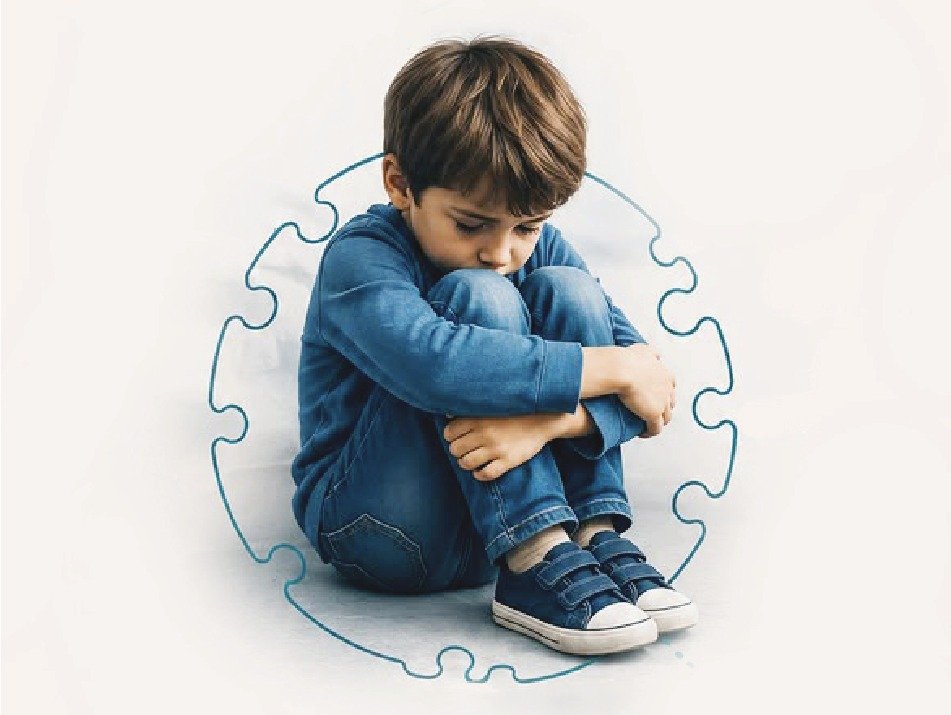
It is hard for parents to notice mental illness in children. Resultantly, many children who could be helped by treatment don’t get the help they need. There are warning signs of mental illness in children which needs to be noticed to help them to get out of the illness. Before knowing what to watch for, it’s imperative to understand the conditions that define a mental illness.
Mental health is the overall wellness of how you think, manage your feelings and behave. A mental illness may also be called a mental health disorder. It is patterns or changes in thinking, feeling or behaving that causes distress or gets in the way of being able to act.
In the context of children, mental health conditions are most often defined as delays or changes in thinking, behaviours, social skills or control over emotions. These problems distress children. It’s notable that mental health conditions disrupt children’s ability to act well at home, in school or in other social settings.
What are the barriers to treating mental health disorders in children?
It can be hard to detect mental health conditions in children because typical childhood growth is a process that involves change. Also, the symptoms of a condition may depend on a child’s age. Young children may not be able to express how they feel or explain why they are behaving a certain way.
Concerns might keep parents from getting care for a child who might have a mental illness. Concerns may be about the stigma linked to mental illness, the use of medicines, the cost of treatment or problems getting help.
What are the common mental disorders among children?
Mental health experts list following disorders in children that reveal their mental illness:
- Anxiety disorders. Anxiety disorders in children are outsized fears or worries that are hard to control. These worries disrupt children’s being able to take part in play, school or social activities. Diagnoses include social anxiety, generalized anxiety and obsessive-compulsive disorders.
- Attention-deficit/hyperactivity disorder (ADHD). Compared with most children of the same age, children with ADHD have trouble with paying attention, acting on impulse, being too active, called hyperactivity, or some mix of these problems.
- Autism spectrum disorder (ASD). Autism spectrum disorder is a neurological condition that appears in early childhood, often before age 3. How severe ASD is varies. But children with this disorder have trouble talking with and connecting with others.
- Eating disorders. Eating disorders are defined as an unhealthy focus on an ideal body type, disordered thinking about weight and weight loss, and unsafe eating and dieting habits. Eating disorders such as anorexia nervosa, bulimia nervosa and binge-eating disorder can result in not being able to act emotionally and socially. And they can cause life-threatening physical complications.
- Depression and other mood disorders. Depression is lasting feelings of sadness, low or irritable mood, and loss of interest in typical activities. These get in the way of a child being able to do well in school and interact with others. Bipolar disorder results in big mood swings between depression and extreme emotional or behavioral highs. These highs can cause risky or unsafe actions.
- Post-traumatic stress disorder (PTSD). PTSD is long-term emotional upset, worry, scary memories, nightmares and acting out. This is in response to violence, abuse, injury or other traumas a child has had or come into contact with.
- Schizophrenia. Schizophrenia is a disorder in perceptions and thoughts. Schizophrenia causes a person to lose touch with reality, called psychosis. It most often starts in the late teens through the 20s. Schizophrenia can cause a person to see or hear things that aren’t there, called hallucinations. It also can cause odd thoughts and behaviors.
What are the warning signs of mental illness in children?
Warning signs that your child may have a mental health disorder include:
- Sadness that lasts two or more weeks.
- Changes in being social or staying away from others.
- Hurting oneself or talking about hurting oneself.
- Talking about death or suicide.
- Having outbursts or being very moody or testy.
- Out-of-control behavior that can be harmful.
- Big changes in mood, behavior or personality.
- Changes in eating habits.
- Loss of weight.
- Trouble sleeping.
- Getting headaches or stomachaches often.
- Trouble concentrating.
- Doing poorly in school.
- Not going to school.
What should parents do if they suspect that their child has a mental illness?
In this situation, the parents should consult his child’s healthcare professional. Describe the behaviours that concern them as parents. They should talk to their child’s teachers, close friends, relatives or other caregivers to see if they’ve noticed changes in their child’s behaviour. They should not hesitate to share this information with their child’s healthcare professional.
It’s to be understood that mental health conditions in children are diagnosed and treated based on symptoms and how the condition affects a child’s daily life. To make a diagnosis, the child’s healthcare professional might suggest that the child see a specialist. This might be a psychiatrist, psychologist, clinical social worker, psychiatric nurse practitioner or other mental healthcare professional. Seeing a specialist might include:
- Complete medical exam.
- Medical history.
- History of physical or emotional trauma.
- Family history of physical and mental health.
- Review of symptoms and concerns with parents.
- Timeline of how the child has matured.
- School history.
- Talking with parents.
- Talking with the child and watching the behavior.
- Mental health tests and questionnaires for the child and parents.
Remember, diagnosing mental illness in children can take time. Young children may have trouble knowing or saying how they feel. How children matures varies. A healthcare professional may change or adjust a diagnosis over time.
How is mental illness in children treated?
Common treatments for children who have mental health conditions include:
- Psychotherapy. Psychotherapy, also called talk therapy or behaviour therapy, involves talking with a psychologist or other mental health professional. With young children, psychotherapy may include playtime or games. During psychotherapy, children and teens learn how to talk about and manage thoughts and feelings. They learn new behaviours and coping skills.
- Medicines. Mental health professional may suggest a medicine as part of the treatment plan. This medicine might be a stimulant, an antidepressant, an anti-anxiety medicine, an antipsychotic or a mood stabilizer.
How can a parenthelp his child to cope with mental illness?
Parents play a huge role in supporting their child’s treatment plan. Mental health experts list following suggestions for parents to help their children to cope with mental illness:
- Learn about the illness.
- Consider family counselling that treats all members as partners in the treatment plan.
- Ask your child’s mental health professional for advice on how to respond to your child and handle tough behaviour.
- Enroll in parent training programs designed for parents of children with a mental illness.
- Look for ways to handle stress and help you respond calmly.
- Seek ways to relax and have fun with your child.
- Praise your child’s strengths and skills.
- Work with your child’s school to get the support your child needs.