
March does not dazzle; it reassures. It tells Kashmiris and visitors alike that endurance has meaning, that after long cold nights, gentleness returns first—not loudly, but unmistakably.
Dr. Noour Ali Zehgeer
The Kashmir, Paradise on Earth, has different seasons to offer for the Kashmiris and for the people who visit Kashmir for its beautiful gardens and scenic beauty at the mountain’s. One of the few among countries across the world who have a privilege of enjoying four seasons to mesmerizing beauty in all four seasons but the location maybe different.
March in Kashmir carries a quiet magic of its own. It is a month that seems to arrive softly, almost like a whispered promise of change. The weather during this time truly reflects what Kashmir is known for—rainy skies, pleasantly cool air, and a beauty that feels both calm and refreshing. There is something deeply soothing about this transition. It feels as if nature itself is welcoming a new season with quiet grace, allowing winter to slowly step aside while spring gently takes its place.
March arrives in Kashmir like a soft promise—neither the hush of winter nor the riot of full spring, but a tender conversation between the two. Snow still clings to the higher reaches of the mountains, glistening quietly under pale sunlight, while the valley below begins to breathe again. The air, crisp yet kinder now, carries the faint scent of damp earth and awakening blossoms.
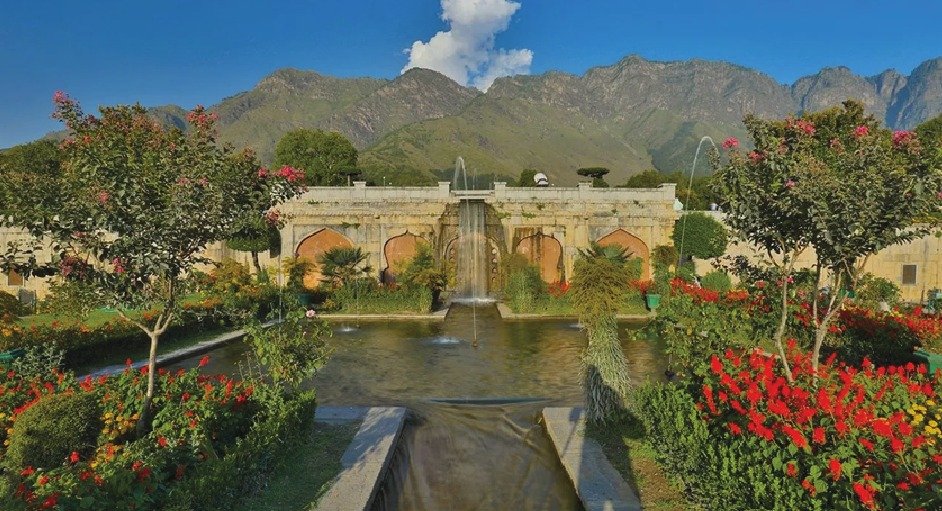
Along the banks of the Jhelum, willows show hints of green, and almond trees bloom with delicate pink and white flowers, their petals scattering like whispered prayers in the breeze. These early blossoms feel almost shy, appearing before the world is fully ready for color, yet confident enough to announce that warmth is on its way. Gardens such as Shalimar and Nishat stir back to life, their symmetry softened by new growth and thawing soil.
March in Kashmir is also a season of quiet rhythms. Farmers prepare their fields, villagers move a little faster, and the long winter silences ease into gentle human sounds—conversation, laughter, the scrape of tools against earth. The Dal Lake, often glassy and subdued in winter, begins to show ripples of movement as shikaras glide once more, reflected against skies that shift between silver clouds and sudden blue.
There is a particular poetry to this month: mornings still demand a shawl, while afternoons invite you into the sun. Evenings return with a familiar chill, reminding you not to trust spring too quickly. This balance is Kashmir’s March charm—its restraint, its grace, its refusal to rush beauty.
This time of year, brings with it a strange and comforting coziness. The rain falls in soft rhythms, almost like a gentle conversation between the sky and the earth. The chill in the air is noticeable, yet it is not the harsh cold of deep winter. Instead, it is a mild coolness that invites people to slow down, gather around a heater, or wrap themselves in a warm blanket while listening to the rain tapping softly on rooftops and windows.
In Kashmir, people often say that this is no longer the biting winter cold. Instead, it is what is colloquially known as “Sounte Teer” or “Poshe Teer,” sometimes described as the bloom-time chill. It is the cool breeze that arrives just as plants begin to bloom and the earth awakens from its winter sleep. The cold during this period is gentle and manageable, yet it carries a bittersweet feeling—like a reminder that winter is leaving, while spring has only just begun to unfold.
For those who love to read, write, or immerse themselves in creative work, this weather feels almost perfect. The atmosphere naturally encourages reflection and calmness. The quiet rhythm of rainfall, the mist hanging over distant hills, and the cool breeze drifting through open windows create the kind of environment where thoughts flow freely and creativity finds its voice.
Even for those who prefer to do nothing at all, this season holds a special kind of comfort. It becomes a beautiful time to simply pause and enjoy the moment. One can sit quietly and listen to the music of the rain as it falls gently on the ground. There is a peacefulness in watching the droplets gather on leaves, flow along rooftops, and slowly disappear into the soil.
Nature itself seems to move differently during these days. Birds flutter here and there in search of shelter or perhaps food. Some perch quietly on tree branches, while others rest near homes, sitting on windowsills or wandering joyfully across rooftops. Their movements add a lively touch to the otherwise calm surroundings, reminding us that life continues to stir gently in every corner.
This season also carries hope. Farmers and villagers look toward the sky, wishing that the rain continues for a while longer. A steady rainfall during this time helps the soil absorb moisture, preparing the land for the coming months of growth and cultivation. The rain, therefore, is not just beautiful—it is meaningful and necessary.
In Kashmir, an old saying beautifully captures this sentiment: “Yeli Sounth Dosh’ie, Teli Varyus Pos’hie.” In simple terms, it suggests that when the rains of spring fall generously, the flowers of summer bloom abundantly. The proverb reflects the deep connection between nature’s cycles and everyday life in the valley.
Perhaps that is what makes March in Kashmir so special. It is not simply a change in weather; it is a quiet transformation. It is the season when the earth breathes again, when the rain nourishes the soil, and when people pause, even if briefly, to appreciate the gentle beauty unfolding around them.
In this liminal time, the valley feels introspective yet hopeful. March does not dazzle; it reassures. It tells Kashmiris and visitors alike that endurance has meaning, that after long cold nights, gentleness returns first—not loudly, but unmistakably.