
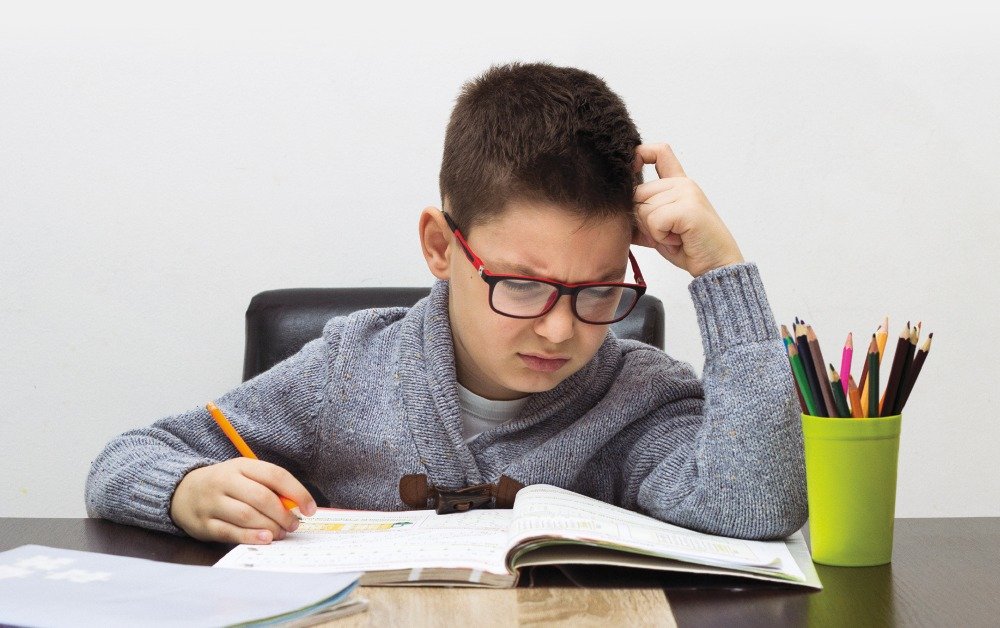
Schools provide a great opportunity to promote mental health and emotional wellbeing, prevent mental health problems and identify and support children who are experiencing emotional difficulties.
Children spend half of their day at school, but how is it really affecting their mental health?From exam pressure to social dynamics, school can be a source of both support and stress. As mental health issues are rising among children, it’s clear that schools play a much bigger role than just academics.
It has become crucial to understand that children these days are getting more symptoms of anxiety, depression, and stress, which can lead to bigger problems.
Schools PlayCentral Role
Schools are a huge part of any child’s life, and they affect their mental health directly or indirectly due to the amount of time that children spend in school.
Schools are structured to help children adapt to social dynamics and learning adaptability. But the race to be the best puts them under peer pressure and stress.
Whenever a student doesn’t get the answer to their question, they create a bad image of the teacher in their mind, which then creates fear in their mind.
How Schools Can Promote Mental Wellness
School-wide Mental Health Policies:
Schools are aiming to promote mental health policies for student well-being, including suicide prevention, by addressing the overall mental health needs of the school community.
These are key aspects of Mental Health policies:
- General prevention: Addressing factors that contribute to mental health issues, such as bullying, stress, and lack of social support.
- Strengthening teacher and staff mental health: The importance of staff well-being and providing resources for them to manage their own stress and support students effectively.
- Early intervention and support: Identifying children at risk and providing timely access to mental health services and support.
Availability of Mental Health Professionals:
One of the most critical factors in supporting students’ mental health is the presence of trained mental health professionals within schools.
Increasing access to qualified professionals not only helps students cope with challenges but also creates a safer, more supportive school environment where mental wellness is prioritized alongside academic success.
Role of Parents in their child’s mental health
Strengthening School-Parent Communication:
Strong communication between schools and parents is essential for supporting a child’s mental health.
When teachers and parents maintain a proper communication system, early warning signs of emotional or behavioural issues are more likely to be identified and addressed.
When parents share insights about changes at home or in behaviour, educators can provide better in-school support. Building this partnership fosters trust, ensures consistency in care, and ultimately creates a more unified approach to nurturing the child’s well-being.
Exam-based learning:Mental Health Support at Home:
Supporting mental health at home starts with creating a safe, judgment-free space where children feel comfortable expressing their thoughts and emotions.
Alongside emotional support, setting healthy boundaries is equally important, especially when it comes to social media and sleep.
Excessive social media use can increase anxiety and lower self-esteem, while poor sleep habits are closely linked to mood and behaviour issues.
Learning Styles:For Parents:
Parents should listen to their children whenever they are asking. They should bond more with them so that the child doesn’t feel shy while asking them about anything.
Parents noticing any behavioural change in their children should ask them if they feel uneasy, and if they do, then parents should consult them or hire a consultant.
Conclusion: A Shared Responsibility
Schools should always prioritize mental health to keep their students pressure-free and stress-free. They should also hire a Consultant for the needs of students.
By aligning education with a child’s strengths, goals, and learning preferences, parents and educators can better prepare them for success in school, at work, and in life.It is the responsibility of the parents and teachers to make children feel comfortable and give priority to their mental health.