
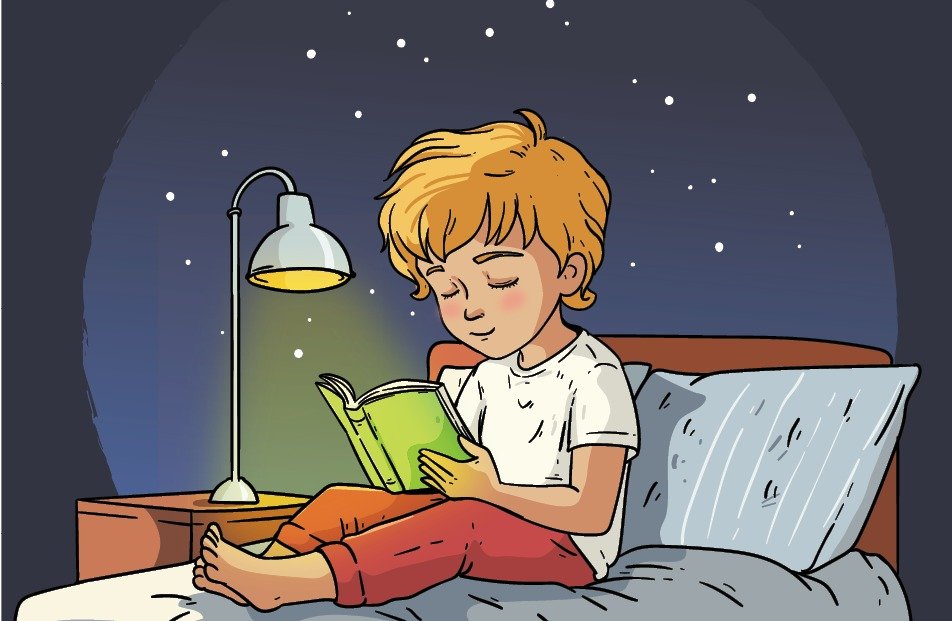
There was a time when I thought heritage belonged only in museums, history books, and old photographs. I believed it was something people admired from a distance. I did not realize that it was quietllly living in my own home, waiting for me to notice. One winter evening in Kashmir, the electricity had gone out, as it often does during heavy snowfall. Outside, the world had disappeared beneath a blanket of white. Inside, the room glowed with the warmth of a kangri, and my grandmother sat near the window, wrapping her pheran tightly around her shoulders. With no television and no internet, I reluctantly put my phone aside. Seeing my boredom, she smiled and said, “Come, I’ll tell you a story.” It was not a story about kings or magical creatures. It was about a young walnut tree that stood alone on the edge of a village. Every season tested it. Fierce winds bent its branches, snow weighed it down, and passing travellers often ignored it. Yet the tree never gave up. Its roots reached deep into the earth where generations before it had grown. One day, the tree became so strong that tired travellers rested beneath its shade, children climbed its branches, and birds built their nests there. When she finished, I asked, “What happened to the tree after that?” She looked at me and said, “The story was never about the tree. It was about people. If they forget their roots, they may keep standing for a while, but the first strong storm can uproot them.” Her words stayed with me long after te lights returned. The next morning, I began noticing things I had always overlooked. The aroma of noon chai filling our kitchen was more than the smell of tea; it was a tradition shared across generations. My parents speaking in Kashmiri was not simply conversation; it was a language carrying memories, emotions, and wisdom that could never be translated completely. The old songs my grandfather hummed while working were not just melodies; they were pieces of history that had survived without being written down. I realised that culture does not survive because it is stored in books. It survives because ordinary people choose to live it every day. Every greeting, every festival, every recipe passed from one generation to another, every story told before sleep becomes another thread in the fabric of our identity. Today, the world changes faster than ever. New technology connects us across continents, and new ideas shape the way we live. Progress is important, but progress should not require us to abandon the values that define us. We can embrace the future without forgetting the voices of the past. Our cultural heritage is not a burden to carry; it is a light that helps us find our way. It teaches us where we come from so that we can decide where we want to go. Traditions remind us to stay connected to one another. Language preserves feelings that no translation can fully capture. Identity gives us confidence to stand proudly while respecting the diversity of others. That winter night taught me something no classroom ever had. Heritage is not hidden inside monuments or locked away in history. It lives in our homes, in our families, in the stories our elders tell, and in the choices we make each day. Sometimes, all it takes to discover who we are is to put away our phones, sit beside an elder, and listen to the last story before sleep.
TOIBA IMTIYAZ
9th LOTUS