
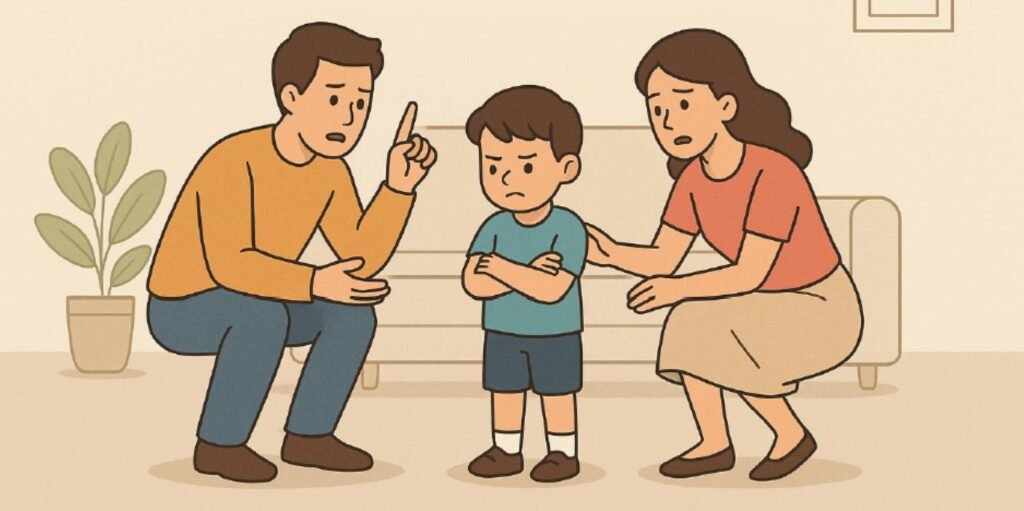
Shaping the behaviour of children in school years has always remained a challenge for parents as well as the teachers. We have observed that school-going children love to be independent. Despite this, they still need love, attention and approval of their parents. Not only this, a child also needs limits to guide them as they grow and explore. These limits help the child feel both secure and ready for the new rules, routines and responsibilities that come with starting school. It’s also a fact that the children’s growing understanding of the world around them might lead to some fears. For example, some children might be afraid of criticism, tests, failure, physical harm or threat, etc. SHAECH EDITORIAL DESK presents experts’ guide to parents to help their school-age children to develop positive behaviour – a cornerstone for their growth and development.
What does it mean for a child going to school? The biggest thing happening in a child when he/she starts going to school. Children can feel anxious as well as excited.If parents are enthusiastic about their child starting school, this sends their child the positive message that school is exciting. It helps the child believe that they will have fun.
School days can be long and tiring for children. This can lead to some irritable behaviour when the child gets home. Planning for these times of day can help. For example, it’s often best for the parents to give the child time for a snack and quiet play before getting into after-school activities.
Encouraging positive behaviour
A positive and constructive approach is the best way to encourage positive behaviour in a child.
This means giving the child positive attention, praise and encouragement for behaviour that’s important in the family – for example, being cooperative, thinking of others and sticking to family rules.
School-going children still need help to understand, remember and practise this kind of behaviour. These strategies and tips can help:
- Family rules:These are positive statements about how your family wants to look after and treat each other. For example, ‘We say please when we ask for something’. Learning about rules at home is good practice for sticking to new rules at school.
- Routines:These help families know who should do what, when, in what order and how often. For example, ‘We take turns setting the table for dinner each night’. If your child is used to a routine at home, it might help them settle into a routine at school.
- Clear and positive instructions:These tell your child what to do and can help your child do things well. For example, ‘Please put your lunch box in your backpack’. Following instructions at home can help your child with following instructions at school.
- Reminders:These can keep your child on track, especially if your child is distracted or forgetful. For example, start by saying, ‘We’re going soon’. Then remind your child by saying, ‘One more game of snap and then we’re going’.
Behavioural concerns in the school years
Anxiety
Anxiety, worries and fears are a typical part of children’s development. For example, your school-age child might feel anxious about things like answering questions in class. You might notice that your child tries to avoid things that make them feel anxious. To help, you can acknowledge your child’s feelings, gently encourage your child to do things they’re anxious about and praise your child when they do.
Bullying
You need to step in to help if your child is experiencing bullying at school. You can help your child deal with bullying by getting the school involved in sorting it out as soon as possible. Your child’s teacher is a good starting point. Giving your child plenty of love and support at home is important too.
Cheating
Sometimes children cheat on schoolwork or sport because they don’t know how to cope with the disappointment of losing. Or they cheat because a task is too hard for them. Occasional cheating is usually harmless, but if cheating becomes a pattern, you might need to step in. Talking about rules and fairness is often a good way to start with school-age children.
Fighting
Disagreements and fighting among children are very common. When you handle fighting constructively and help children learn to work out their differences, it can be a great chance for them to practise the social skills they’ll need as adults.
Friendships
Your child will meet a lot of new children when they start school, and you can support new friendships. You can try arranging playdates by talking to other parents, or you could look for extracurricular activities so your child can meet children with similar interests.
Habits
Many children have habits – for example, biting their nails. Your child’s habits might bother you, but usually it’s nothing to worry about. Most habits go away by themselves.
Lying
Lying is part of children’s development. Children aged 4-6 years usually lie a bit more than children of other ages. If this happens with your child, try to focus on the value of honesty and telling the truth.
School morning assemblies
Your child doesn’t understand time in the same way as an adult. This can make school mornings rushed. A school morning assembly can help everyone get out the door ready to face the day in a positive way.
Swearing
It’s common for school-age children to try swearing. If swearing isn’t OK in your family, speak to your child about their choice of words, rather than ignoring your child’s behaviour. School-age children do understand that words can hurt or offend others.