
The history of classrooms in India dates back to ancient times, with evidence of formal education systems in ancient universities like Nalanda and Takshashila. These institutions featured large lecture halls, libraries, and residential quarters for students and teachers. The Gurukul system, where students lived with their gurus (teachers), was another prevalent form of education, with classes often held outdoors or in simple structures.
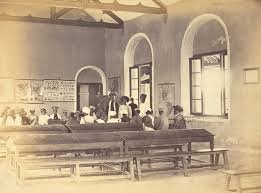
During the British colonial era, the modern classroom system was introduced in India, with the establishment of schools and universities modelled after British institutions. Classrooms were designed with benches, blackboards, and other teaching aids, and the focus shifted to Western-style education. This period saw the rise of formal education systems, with classrooms becoming an integral part of the learning process.
In modern India, classrooms have evolved to incorporate technology, innovative teaching methods, and diverse learning environments. Today, Indian classrooms range from traditional setups to modern, technology-enabled spaces, with a growing emphasis on student-centred learning, digital literacy, and inclusive education. The evolution of classrooms in India reflects the country’s changing educational landscape and its efforts to provide quality education to all.