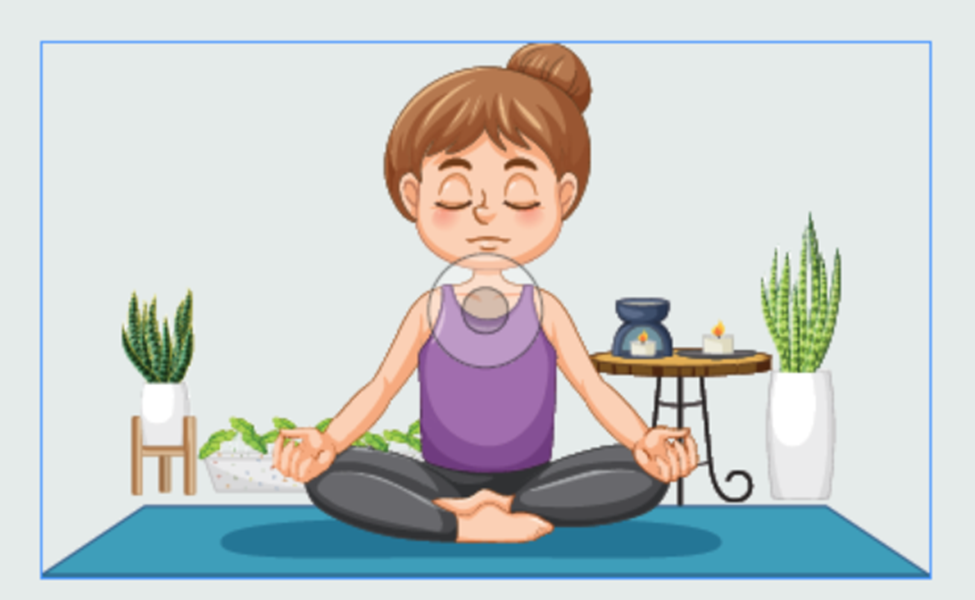

There are classroom activities which are designed to teach students a variety of practicaland fun stress reduction techniques.
Stress is a natural part of every young person’s life. Stress is any change, internal orexternal, positive or negative, to which a young person must adapt; simply, “stress isanything that causes physical and/or mental wear and tear on the body and mind”(Joyce V. Fetro, Personal & Social Skills, 2000).
Students’ stress is usually related to everyday experiences, worries and challenges atschool, home, in the community and within their peer group. For example, youngpeople may experience stress resulting from bullying, name calling, social isolation, notgetting what they want, body image, academic difficulties, and unsafe neighbourhoods.
While each student will respond to and resolve stress differently, the impact of ongoingand/or unresolved stress can lead to feelings of anxiety, depression, irritability, poorconcentration, aggression, physical illness, fatigue, sleep disturbance and poor copingskills such as tobacco, drug and/or alcohol use.
Therefore, young people, like adults, can benefit from learning and practicing stressmanagement skills. Students who develop stress reduction skills learn how to feel andcope better without hurting themselves or others. Identifying and acknowledging thecauses of stress and expressing feelings about them are usually the most effective toolsstudents have to reduce stress, in addition to learning practical stress reduction skills.
There are classroom activities which are designed to teach students a variety of practicaland fun stress reduction techniques. These activities may be used to address astressful situation in the moment (such as: during a lockdown, before and/or after amorning full of testing, or following difficult transitions). It is important to practice theseskills prior to the onset of a stressful event (for example: incorporate as part of healthlessons, use as an activity for morning circle/carpet time).
When introducing the concept of stress management to students, it is useful to reviewthe following general behaviours and techniques that will help students manage stress:
– Eat healthy meals with plenty of fruits and vegetables
– Maintain daily routine and schedule
– Exercise regularly
– Avoid caffeine (can increase feelings of anxiety and agitation)
– Do things you enjoy (for example: art, listening to music, beingoutdoors,dancing, writing poetry, reading, etc.)
– Get good amounts of rest and sleep
– Avoid alcohol, tobacco and drugs
– State feelings in a clear way (for example: “I feel angry when you yell at me.”)
– Decrease negative self talk (for example: transform “My grades will never get anybetter.” to “I may not be doing to well now, but my grades can improve if I getextra help and I do all my homework.”)
– Be with friends who help you cope in a positive way
– Learn relaxation techniques (such as: deep breathing, muscle relaxation,meditation)
– Talk to caring adults
– Humour/laughter
Deep Breathing Exercise
(Belly Breathing)
Audience:
Activity is appropriate and can be adapted for all levels K-12
Purpose:Students practice deep breathing techniques as part of stress reduction
Materials:No materials needed
Content:
Teacher/facilitator introduces and demonstrates the concept of deep breathing asa stress reduction strategy that can be used in the present moment as well as anexcellent skill to master to more effectively cope with future stressors.Teacher/facilitator has all students stand with comfortable space between eachother or seated in a chair.
Provide students with the following directions:
1. Stand straight up with feet shoulder-width apart
2. Arms and hands are relaxed downward
3. Body is relaxed
4. Eyes closed
5. Focus on lower abdomen (belly) and imagine a small balloon in thatspace
6. Breath in slowly and deeply through nostrils, imagining the ballooninflating (getting bigger/larger/growing) slowly, hold a few seconds
7. Slowly exhale through the mouth, imagining the balloon gently
deflating (getting smaller, shrinking); blow out of the mouth as if
blowing out a candle
8. Tip: Place a hand over the lower abdomen to feel it go up and down,and make sure you’re not breathing with the chest
9. Repeat at least 10 times
Ask students how different their bodies feel after the exercise. (Are they morerelaxed/calm? Do they feel lighter? Great? Tired?)
Extension:
Practice several times with the class until they achieve a comfortablecompetence with deep breathing. Encourage students to practice on their ownas well (e.g. while they are waiting in line for something, sitting on the bus toschool, at bedtime, etc.). Have students teach the deep breathing technique toa friend or family member. Once students develop this habit, they willautomatically go into deep breathing mode and relaxation.
(Courtesy: https://www.edutopia.org)